
Pandesal (Filipino Bread Rolls): Step By Step Guide To Perfectly Fluffy Rolls
Learn how to make the perfect Pandesal, a popular Filipino bread roll, with this step by step guide. Fluffy and delicious, these rolls are a staple in Filipino cuisine. Love Filipino breads? Check out my Spanish Bread recipe. More Filipino classics? Check out Ube Hopia, Cassava Cake and Suman Malagkit.
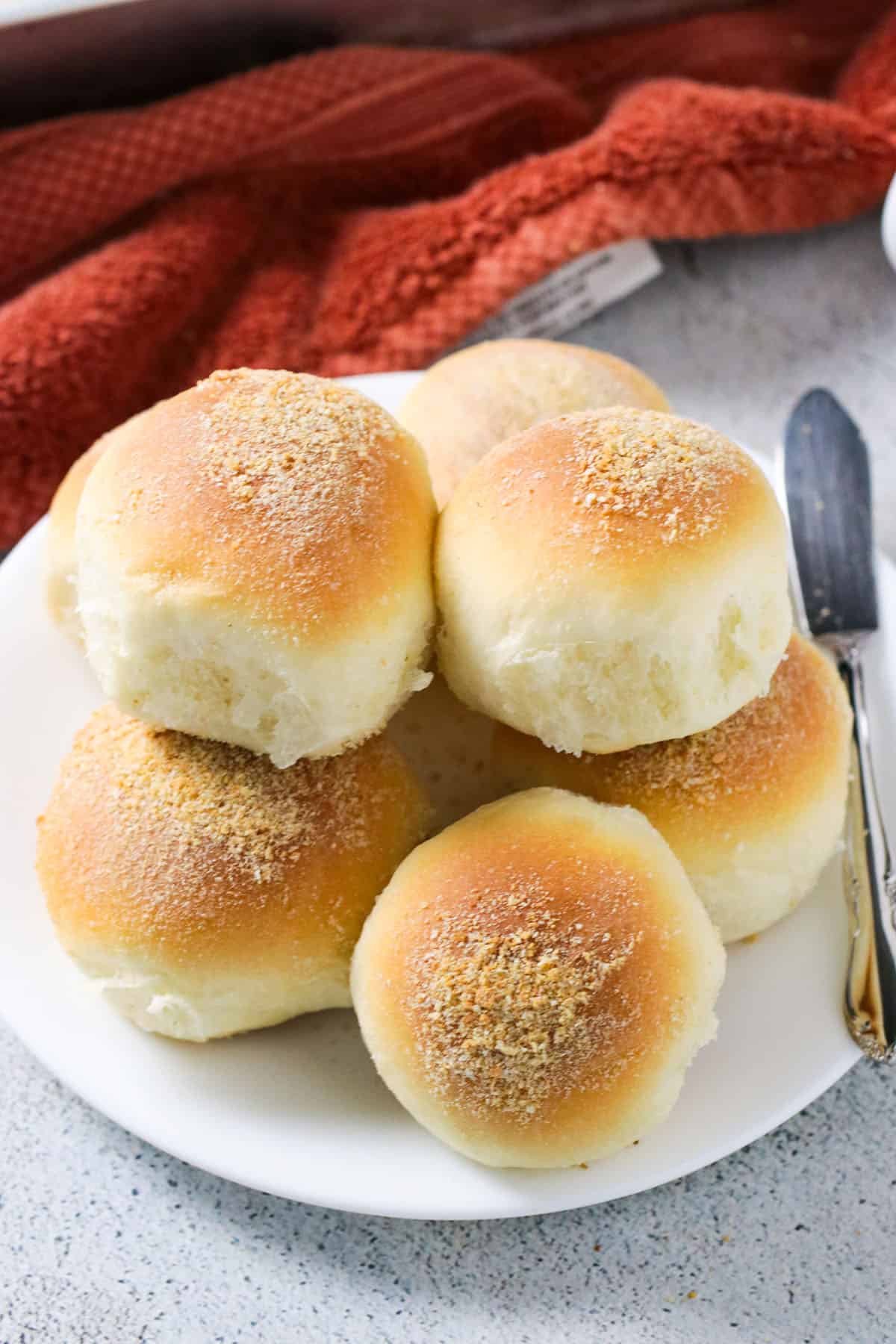
Oh, pandesal in the sweet hours of the morning! Nothing beats a warm tray of these freshly baked Filipino-style dinner rolls with the morning cup of tea or coffee.
Pan de Sal in Spanish mean salt bread. And despite the name, many pandesal recipes have evolved from salty to being slightly sweet with just a touch of salt.
Pandesal is one of the most raved-about recipes here on the blog. If you would like a bread machine version, check out Bread Machine Pandesal!
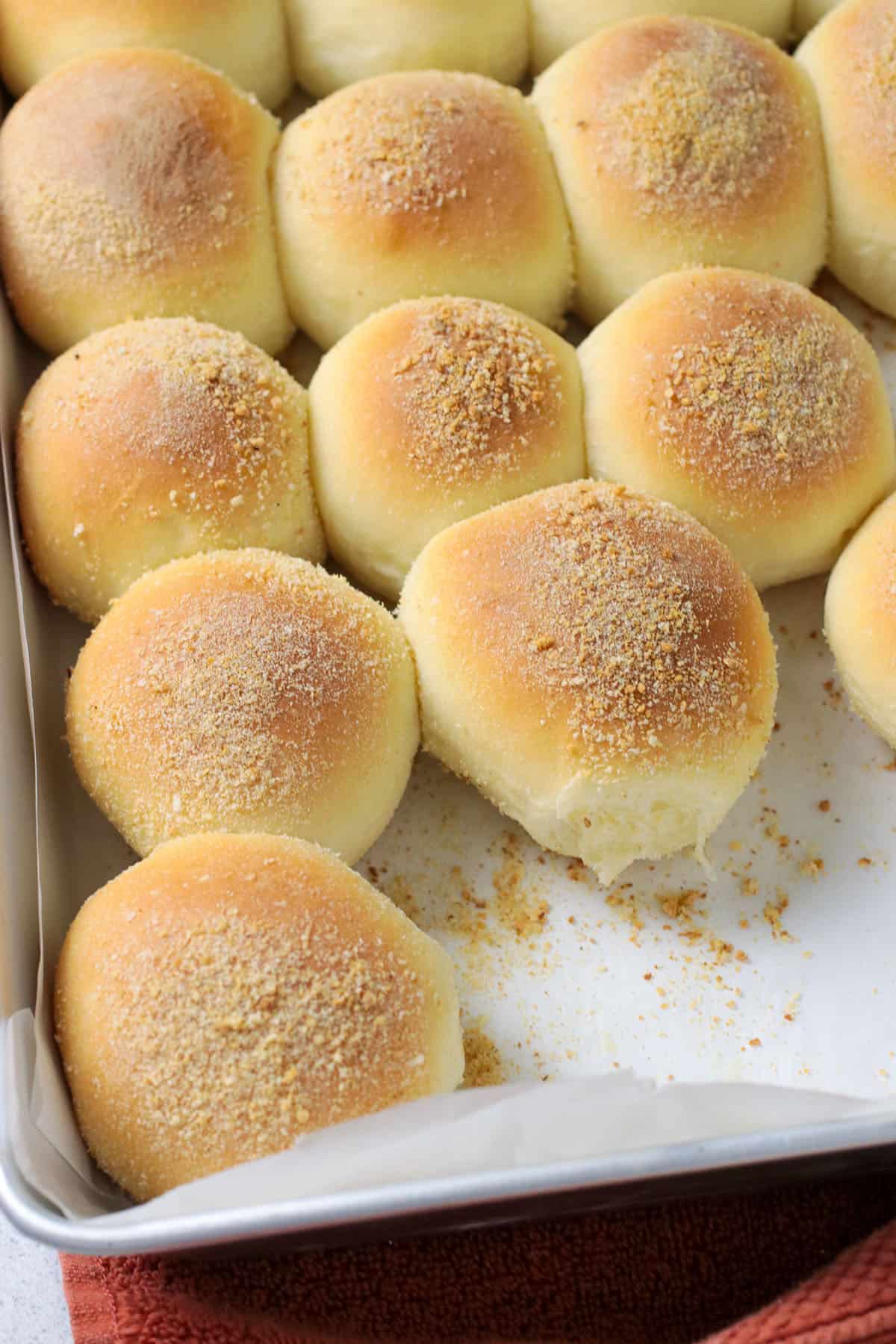
How to Enjoy Pandesal?
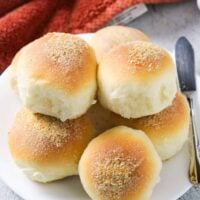
- Pandesal is probably the Philippines’ favorite bread. There is something about these golden dinner rolls that are dusted with breadcrumbs that make them so out of the ordinary. A bread that is delicious on its own, or dipped in coffee.
- For a filling version, we slice the bun in half and fill it with sliced hotdogs, fried egg, and even sauteed corned beef. Sweet tooth? Try peanut butter or coconut jam. Oh, the little things that bring us so much joy!
- If you love pandesal, you need to check out my other pandesal creations like Ube Cheese Pandesal , Red Velvet Pandesal and Chocolate Pandesal with Nutella Filling!
The Perfect Pandesal Recipe
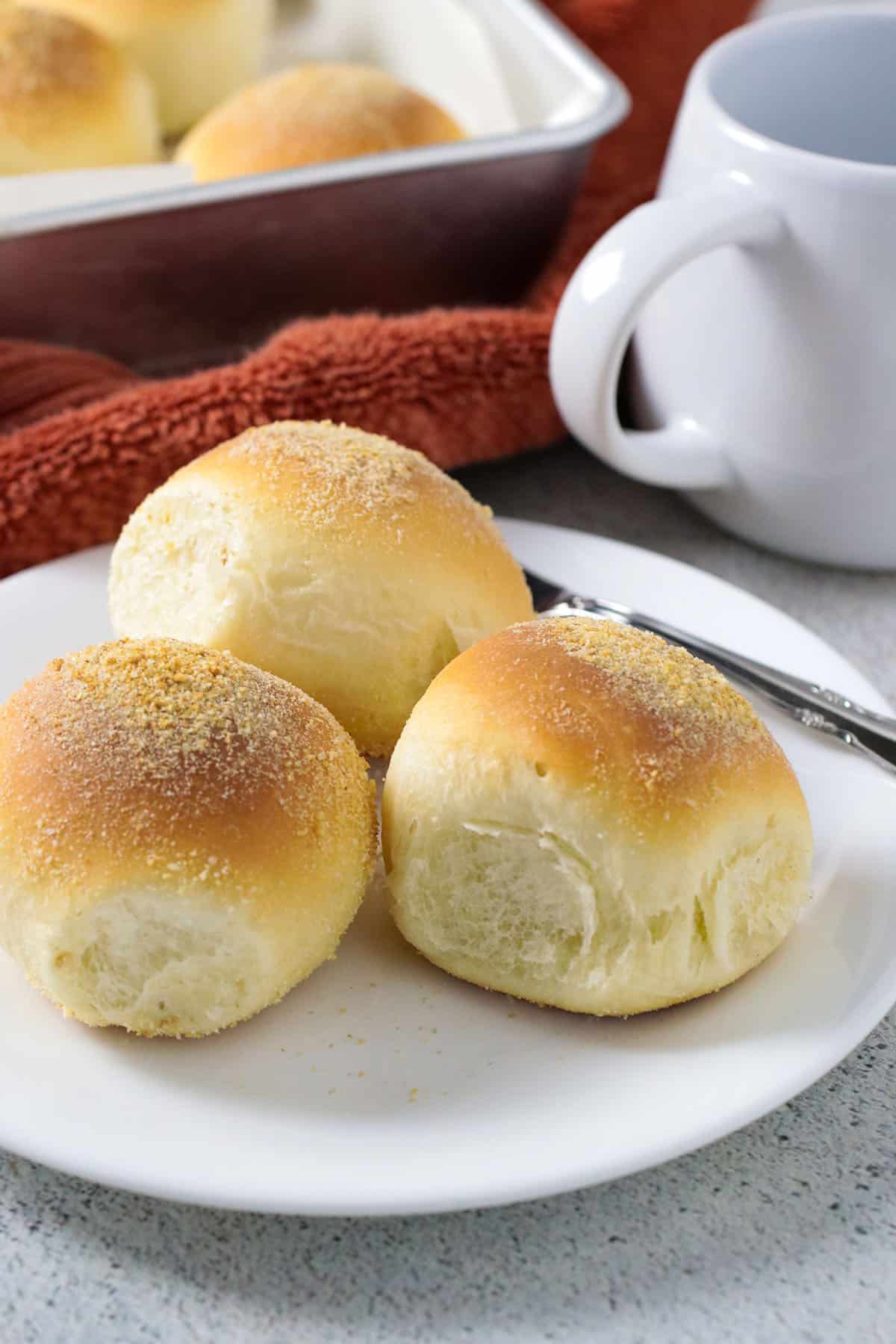
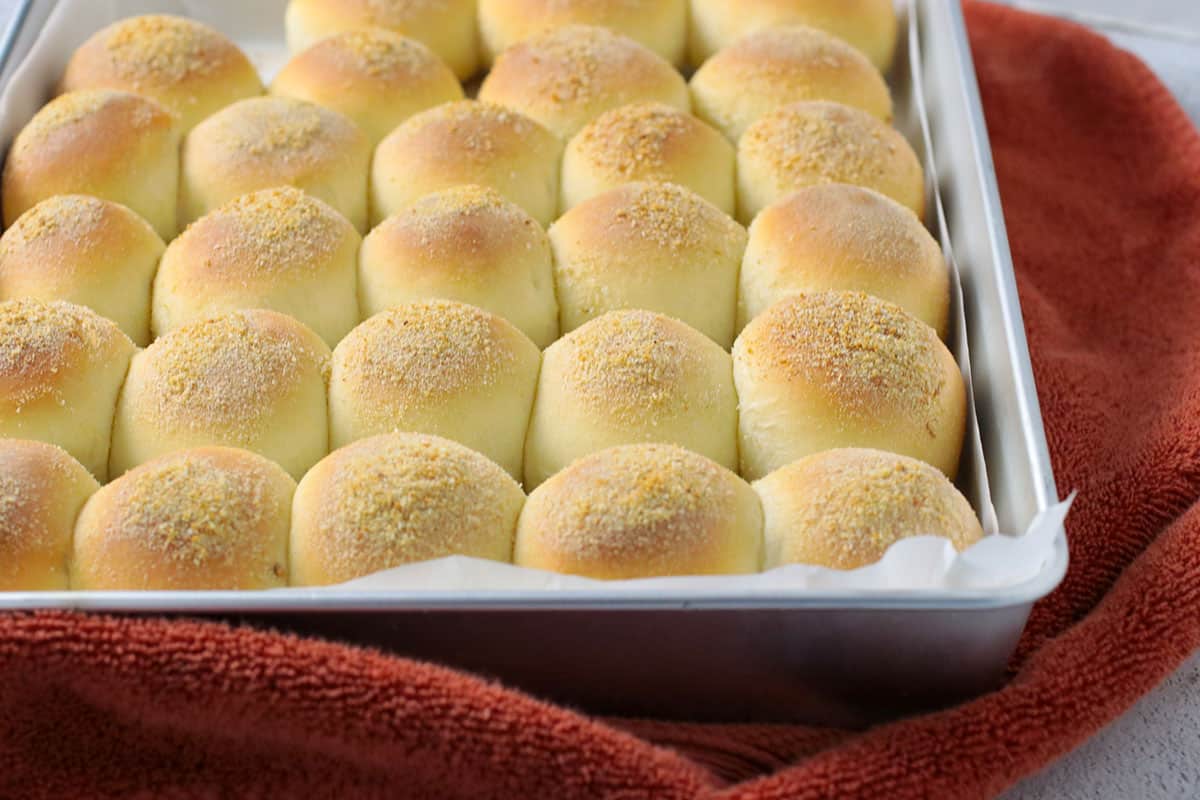
- These pandesal are lightly toasted on the outside. The nice golden exterior has a nice tender-crisp texture, and it renders a nice toasty flavor. Just the way I like it.
- The inside is soft and light. It is not dense and tight-knit, but not too airy either. Just pure crumb perfection.
- They are pillowy soft out of the over AND remain soft the days after.
- Eat them plain, dip them in coffee, slather Nutella, slather butter. You decide how to enjoy it. Lately, we slather it with non-hydrogenated margarine. I think it’s the only way to enjoy it now, and nothing else 🙂
The Process
Proof the Yeast and Mix in the Dough Ingredients
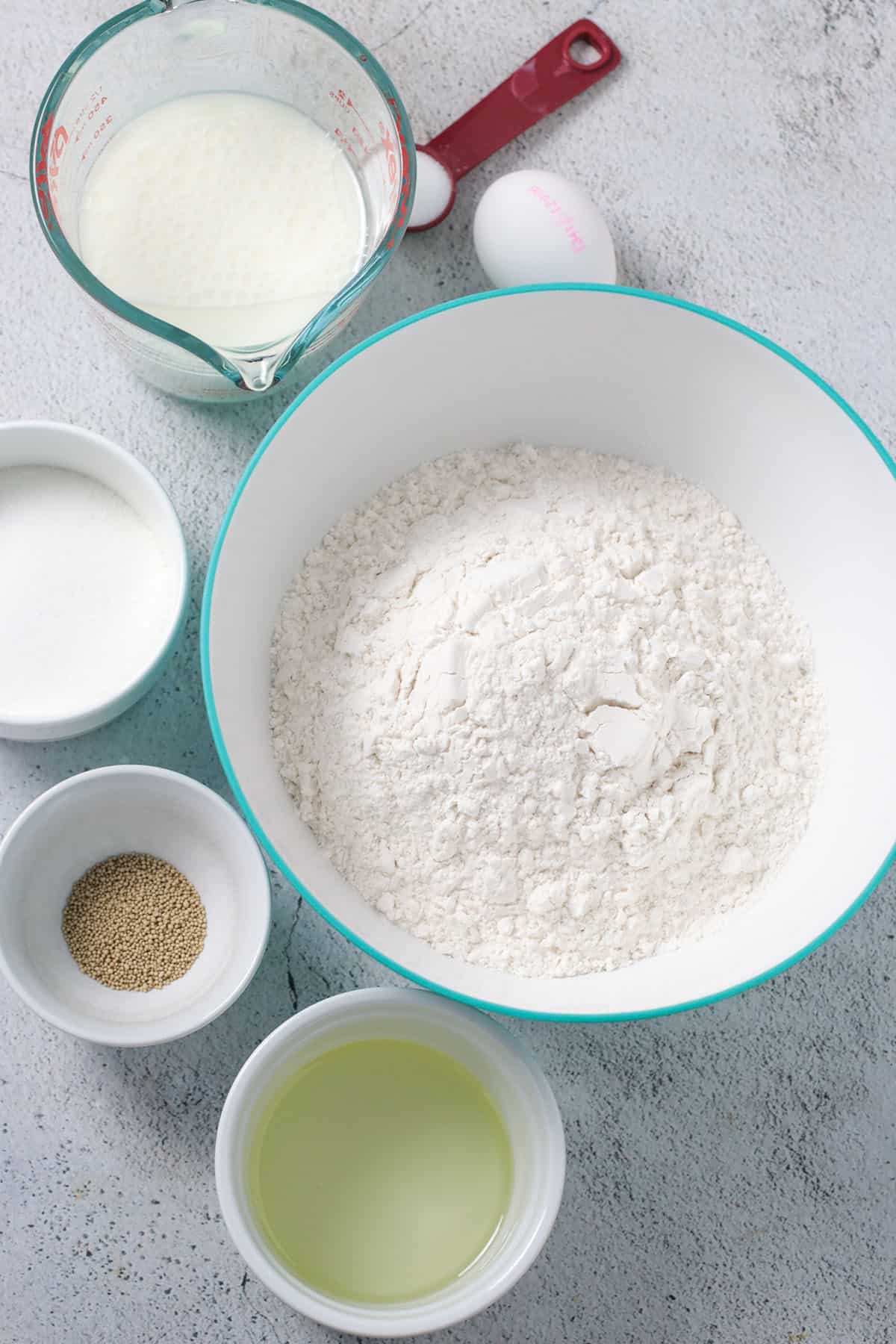
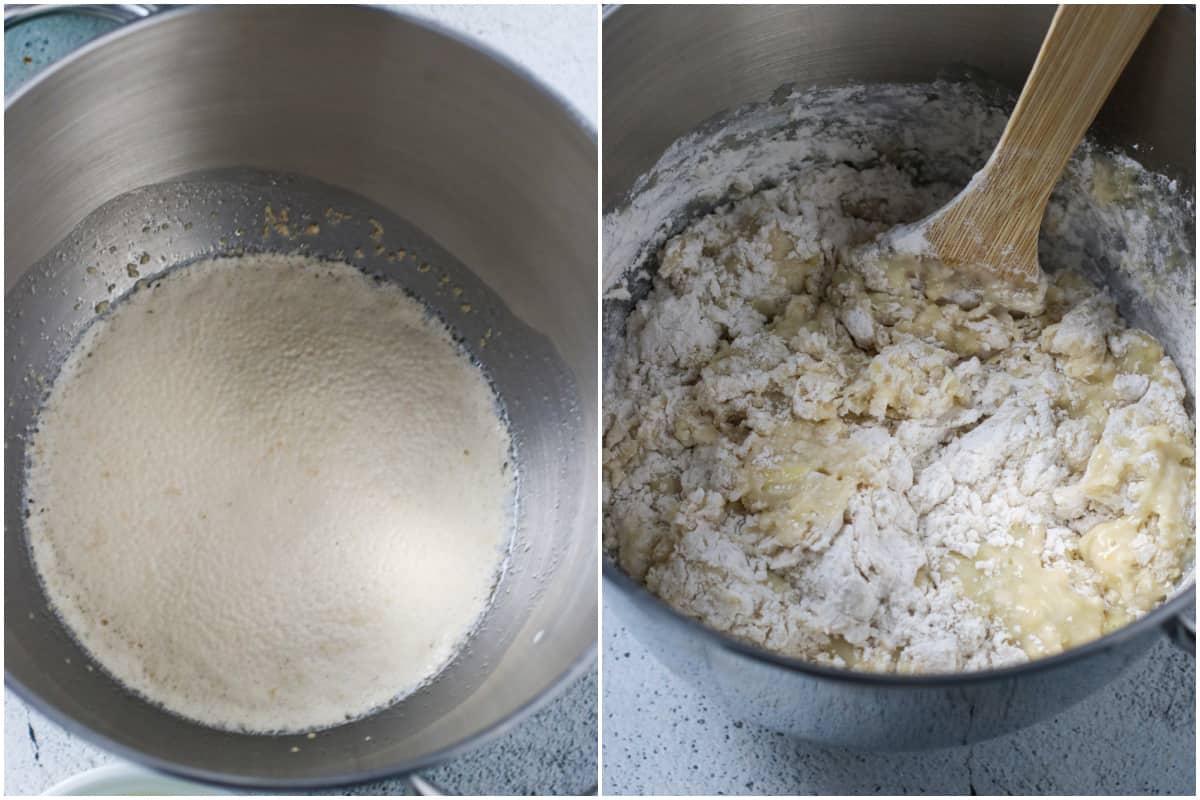
In a bowl of a stand mixer, pour the milk and then sprinkle the yeast. Sprinkle approximately 1-2 teaspoons of the sugar in there as well. Let this mixture sit for 7-12 minutes until it looks thick and creamy.
Add the eggs, the remaining sugar, and the oil. Stir to combine. In a bowl, combine 4 cups of flour and 1 tsp of salt. Gradually add this mixture to the mixing bowl, about 1 cup at a time, stirring well after adding.
Knead the Dough in the Stand Mixer
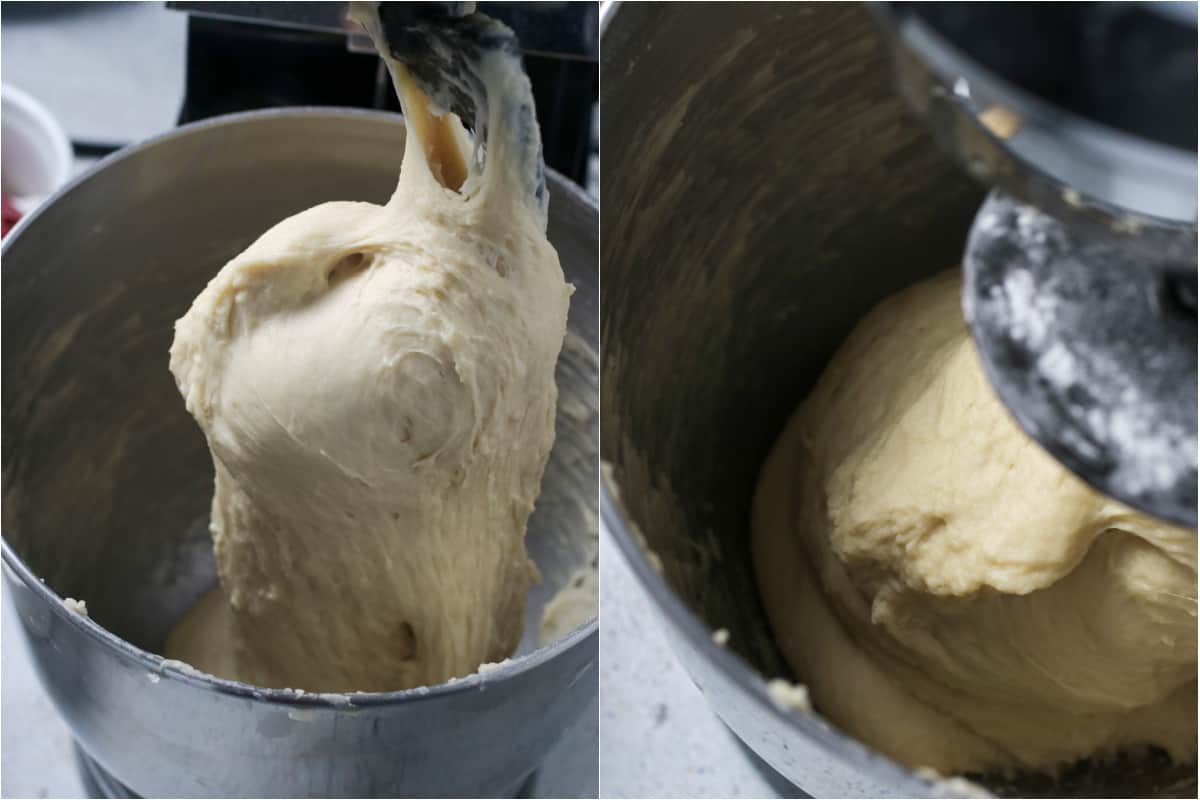
Now attach the dough hook to the mixer, and on medium speed, mix the dough for 10 minutes. During this period the dough will start to take form, gathering slowly in the center.
After ten minutes of mixing, slowly add more flour with the mixer still running, about 1-2 tbsp at a time. As you add, the dough will gather more and more and it will start to clean the sides of the bowl.
The Dough Gathers in the Center of the Bowl
Continue the mixing and adding, until the dough gathers in the center of the bowl and cleans the sides and bottom of the bowl entirely.
You will also hear the slapping sounds that the dough makes against the bowl. This should take around 10 minutes more, for a total of 20 minutes or so in the mixer.
To test if the dough is adequately kneaded, you can do the windowpane test found in my How to Knead Bread Dough post.
Finish Kneading and Allow the Dough to Rise
You may also need to increase the mixer speed for the dough to release at the bottom of the bowl. You may need less of the 1/2 cup reserved flour, but not more.
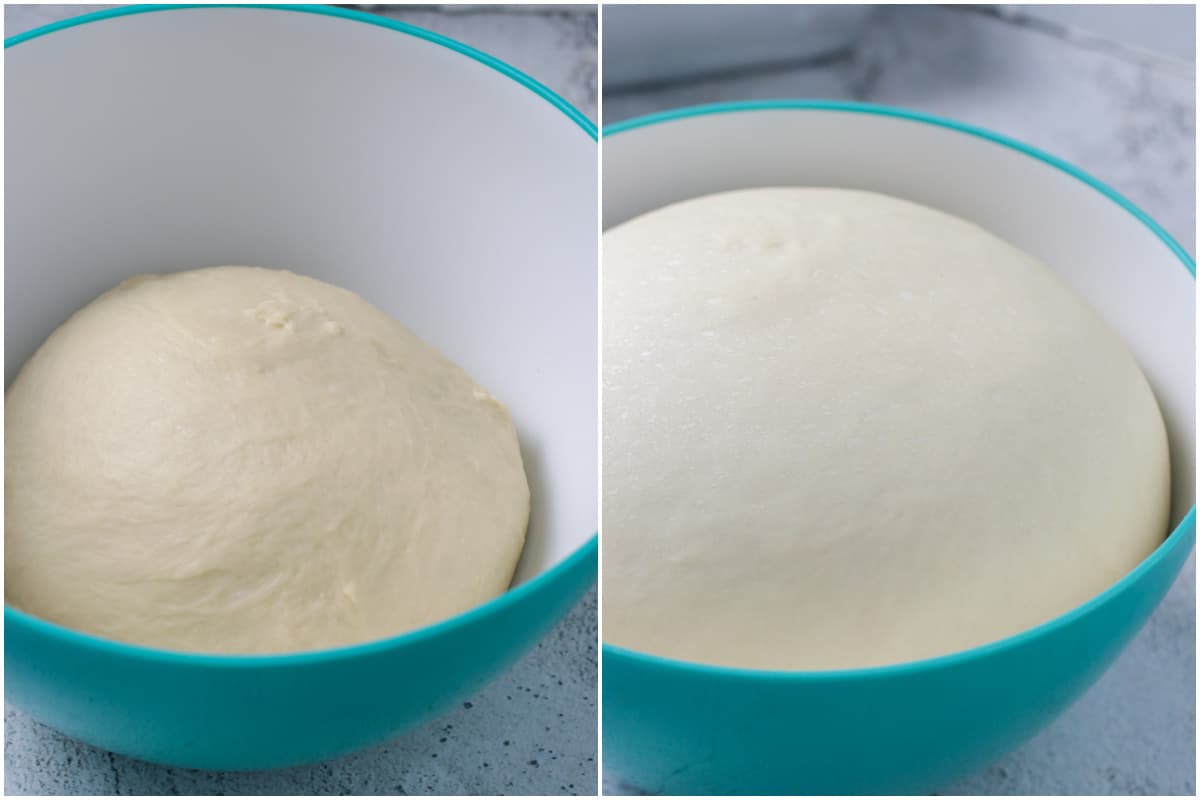
Shape the dough into a ball, and let the dough rise in a bowl, Allow it to rise for 1 hour and a half, covered with a clean towel.
Shape the Dough and Dust with Bread Crumbs
After rising, gently deflate the dough. Shape it into a log and divide it into 25-28 pieces.
Roll each piece into a plate of bread crumbs, then arrange the balls in a parchment-lined, light-colored baking pan.

Allow the Shaped Dough to Rise Again, then Bake!
Allow these to rise once more, for 30-40 minutes, covered loosely with a clean kitchen towel. Bake the pandesal for 23-25 minutes, or until golden on top.
Let them cool slightly before serving.
Pointers for Making Pandesal
- The milk should not exceed the temperature of 110F. Hotter than that and you risk killing the yeast.
- If the yeast did not turn foamy after 10 minutes. Discard the mixture and start again.
- The recipe calls for 4 and 1/2 cups of flour. 4 cups are added initially to the dough. The remaining 1/2 cup will be added one tablespoon at a time just until the dough gathers into the center of the bowl. You may not have to use all of the 1/2 cup of flour.
- Use a light-colored baking pan to avoid too much browning of the bottom of the pandesal.
p.s. These will be so good with this Sweet and Spicy Squid or this Filipino Style Pancit Canton.
More Bread Recipes:
- Mamon Recipe
- The Best Ensaymada
- Cassava Cake
- Ube Cheesecake
- Chocolate Mamon
- Yema Rolls
- Coconut Buns with Milky Sweet Filling
- Japanese Milk Buns
- Spanish Bread
- Hawaiian Rolls
- Sweet Cheese Rolls
- Sweet Beehive Buns
- Milk and Sugar Mini Buns
- Pineapple Buns
- Whole Wheat Potato Dinner Rolls
- Crescent Butter Rolls
Pandesal
Ingredients
- 2 and 1/4 tsp active dry yeast
- 1 and 1/4 cup warm milk heated to 105-115 F
- 4 and 1/2 cups all-purpose flour divided
- 1 tsp salt
- 1/2 cup of sugar
- 1/3 cup canola oil
- 2 large eggs lightly beaten
- bread crumbs for dusting the pandesal dough
Instructions
- In the bowl of a stand mixer, stir together the warm milk, yeast and about a tablespoon of the sugar. Let this mixture stand until it is foamy. In another bowl, combine 4 cups of flour and salt.
- Once the yeast mixture is foamy, add in the eggs, sugar and oil to the bowl of stand mixer. Gradually add the flour mixture, about a cup at a time while stirring with a wooden spatula or spoon. Briefly mix everything together until a shaggy dough forms.
- Attach the dough hook to the stand mixer and run the mixer on medium speed to start kneading the dough. After ten minutes of mixing, gradually sprinkle little amounts of flour to the dough ( about a tablespoon at a time) to help in the kneading process. Continue to knead until the dough gathers in the center and is cleaning the sides and bottom of the bowl. This should take about 20 minutes or so and you should only have used up to 1/2 cup of flour. Gather the dough into a ball. Place it inside a bowl, cover with a kitchen towel and let stand in room temperature to rise for an hour, or until the size is doubled. Meanwhile, line a large baking sheet with parchment paper.
- Gently deflate the dough. Divide it into 25-28 equal sized portions. Smooth and shape each portion into an imperfect ball, about 2 and 1/2 to 3 inches in size. Roll each portion of dough in the bread crumbs and place in the baking sheet. Allow little spaces in between portions. Cover the rolls with a kitchen towel and let rise for 40 minutes. Preheat oven to 350 F. Bake the pandesal for 23-25 minutes or until the top is lightly golden. Serve warm. Store leftovers in a tightly closed container at room temperature.




Can you use this recipe to make ube cheese pandesal?
Hello! Yes you can by adding ube liquid flavoring to the dough. But I have an actual ube cheese pandesal over at Kawaling Pinoy blog in collaboration with Lalaine, so you can check that out too :).
Can I use this recipe to make ube cheese pandesal?
Hello! Yes you can by adding ube liquid flavoring to the dough. But I have an actual ube cheese pandesal over at Kawaling Pinoy blog in collaboration with Lalaine, so you can check that out too :).
Best pan de sal recipe I’ve tried. I made them today and stuffed them with homemade ube halaya and my mom said it taste just like back home. Thanks!
I am so happy you and your mom loved them 🙂
I tried this recipe before and I loved how my pandesal turned out! Used bread flour though instead of AP flour. The bread was still soft even after 4 days. 🙂 I was wondering, is it okay to just double the recipe if I want a bigger batch? Thank you!
Hello there! I am so glad you liked it. I don’t recommend doubling the recipe though. It works best done one batch at a time.
First time to make this… and my family loved it! I decided to use all purpose flour. Thank you for this recipe, Sana!
Hi Janelle! I am so glad you loved it!
Thank you for all your recipes, because of the lockdown I got into baking and I am loving it.
That is so great, Ford! Happy Baking!
I am so intimidated by cooking with yeast! I really need to get over it and take the plunge. Bread making intrigues me!
Its enjoyable once you try!
Been using your pandesal recipe since covid and I love it. I always make them and freeze half of it. But today I decided to use 2cups whole wheat flours and 2cups white pls plus half white. I am waiting for my dough hopefully it’s still good. My Canadian friends daughter love my pandesal with sandwich spread and cheese. Thanks. I tried the ensyamada too my 1st try was perfect I don’t know what I did wrong this time the bread was a bit hard. Will try it again until I get it perfect. My friends love the mocha cake rolls too. Been making it every time we have get together cause it’s easy and fast to make.
thank you so much!!! I hope you enjoy the recipes!
The best pandesal recipe I’ve tried so far! Thank you for sharing it.
Thank you so much, Ana!
hello sanna,
thank you for sharing this recipe! i’m excited to try it! i have a few questions though:
-when heating the milk to 110 degrees Fahrenheit, do you use a thermometer to ensure it is 110 degrees Fahrenheit?
-can i replace canola oil with coconut oil?
Hello! I use a thermometer but sometimes, i dip my finger in it. It should be not warm that you can stand it for more than 5 seconds. Just my trick:) I have not tried subbing coconut oil, though.
Love this recipe! I added 1/4 cup of sugar the second time I made this because I prefer my pandesal a little bit sweeter, and it came out great, it didn’t change the texture at all. Tastes and looks just like my local Filipino bakery‘s pandesal. Thank you so much for the recipe!
I am so glad you loved it, Ann Marie!
I’m trying your recipe right now. I will send the results to you as soon as it is done.
I hope you enjoy it!
making cake according to your recipe is so easy and delicious. Thanks you for your sharing.
Hi Roses! I am so glad you like the recipes.
Love your recipe! Tried making pandesal a couple of years ago and it was too dense. Followed your recipe and it turned out soft and airy just like you said and my family loved it. Thank you for sharing your recipe. God bless you.
Hello! God bless you too! I am so glad you liked it.
Hello! Tried this for my first pan de sal attempt and turned out well. Thanks so much for sharing your recipe. The only difference is I used stand mixer even for mixing of liquids. It only took me 15mins total kneading time with dough hook. It just took 15 mins to brown in my oven. I like that it’s so soft and pillowy. Salamat from Canberra, Australia
Hi! Pru Lee! Thank you for your feedback. I am so glad you liked it!
Hello po, I stumbled across your recipe and I am yet to try it out! I just have a few questions. For the 1 tablespoon of sugar for the yeast mixture – is that sugar coming out of the 1/2 cup of sugar for the dough mixture or is that an added 1 tablespoon of sugar? Also, how long do we have to wait for the dough to rise? Thank you and I hope to hear from you soon! Also, can you do more Filipino recipes!
Hello! The sugar in the yeast will come out of the total sugar. And for rising, it will be between 1 to 1 and 1/2 to 2 hours. The dough must have approximately doubled in size.